
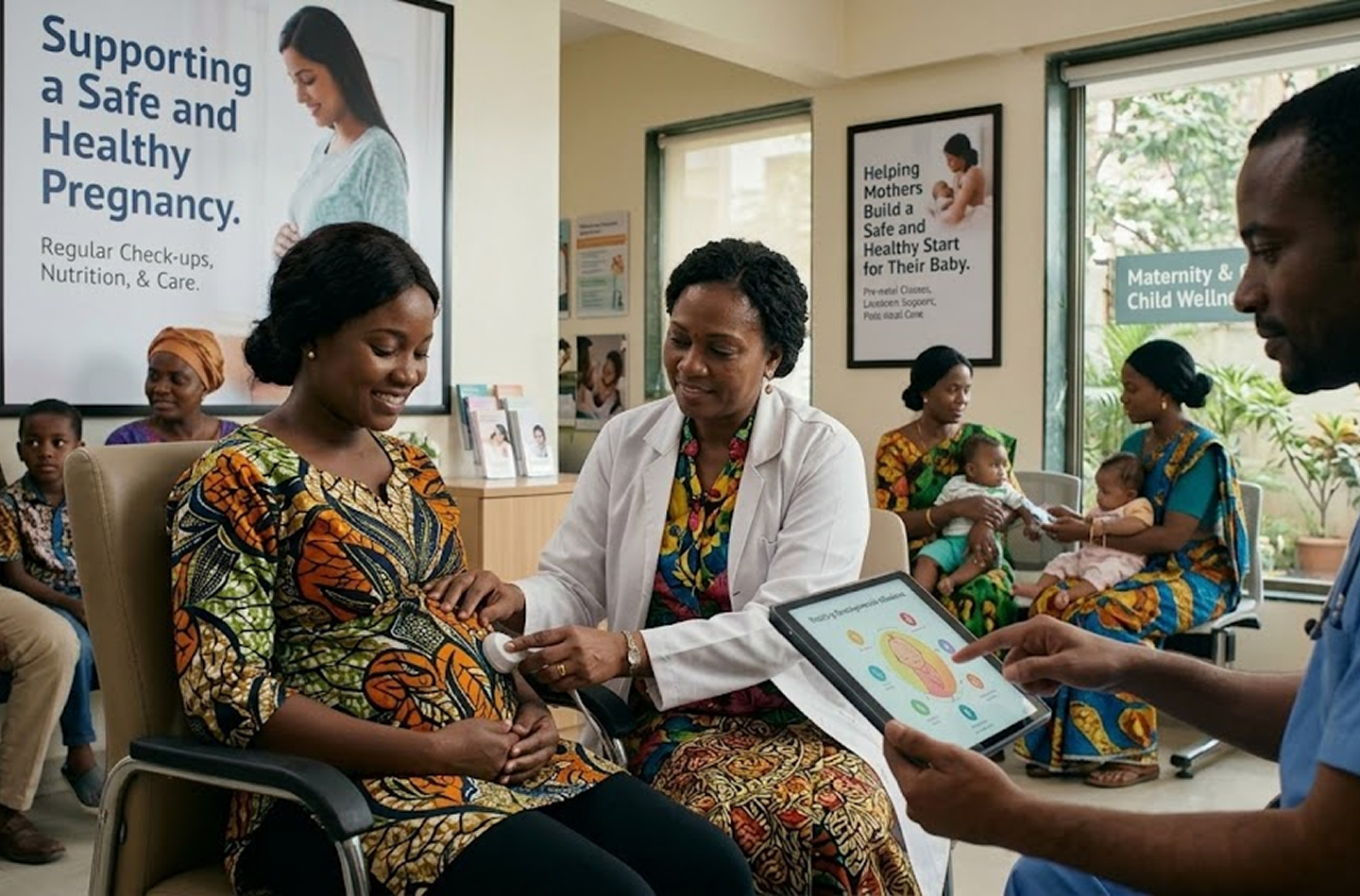
Pregnancy is a beautiful and life-changing journey. Along with excitement and anticipation, it also brings physical and emotional changes as a mother prepares to welcome her baby into the world. Taking care of yourself during this time is one of the most important ways to care for your baby. With the right guidance, regular medical support, and healthy habits, mothers can nurture a safe and healthy environment for their growing child.
Antenatal care, also called prenatal care, is the medical care and guidance provided throughout pregnancy. It helps ensure that both mother and baby remain healthy, supported, and safe during this special time. Regular check-ups, healthy lifestyle choices, and timely screenings allow doctors to monitor the pregnancy closely and address any concerns early.
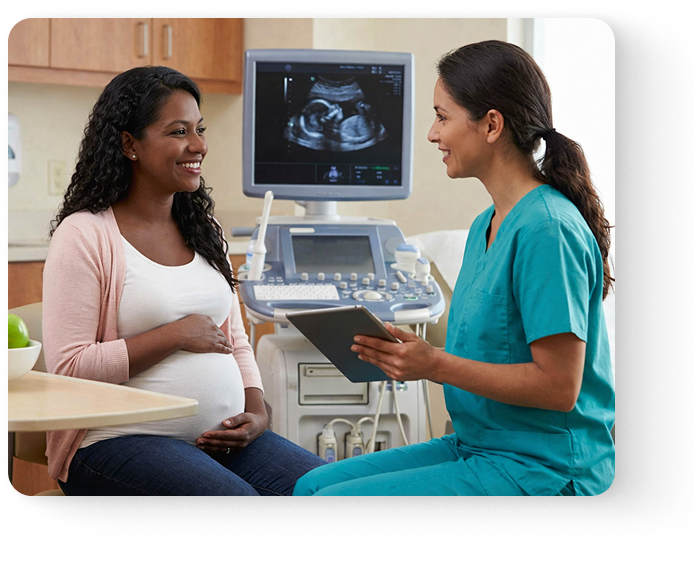
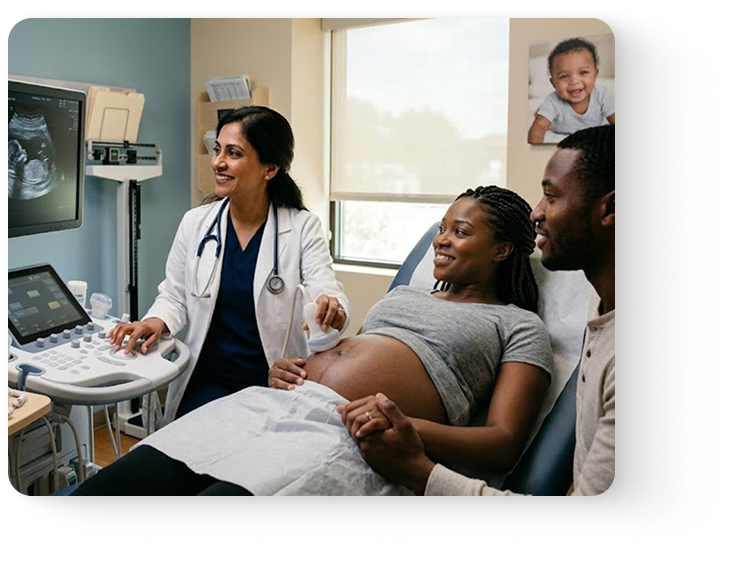
During prenatal visits, healthcare providers monitor the health of both the mother and the developing baby. These check-ups help detect possible concerns early and ensure a healthy pregnancy.

Measurement of blood
pressure and weight
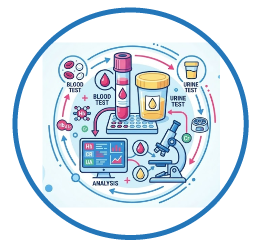
Blood and urine
test
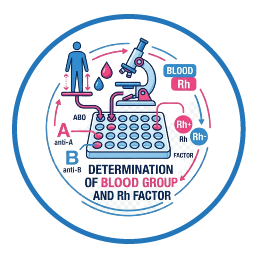
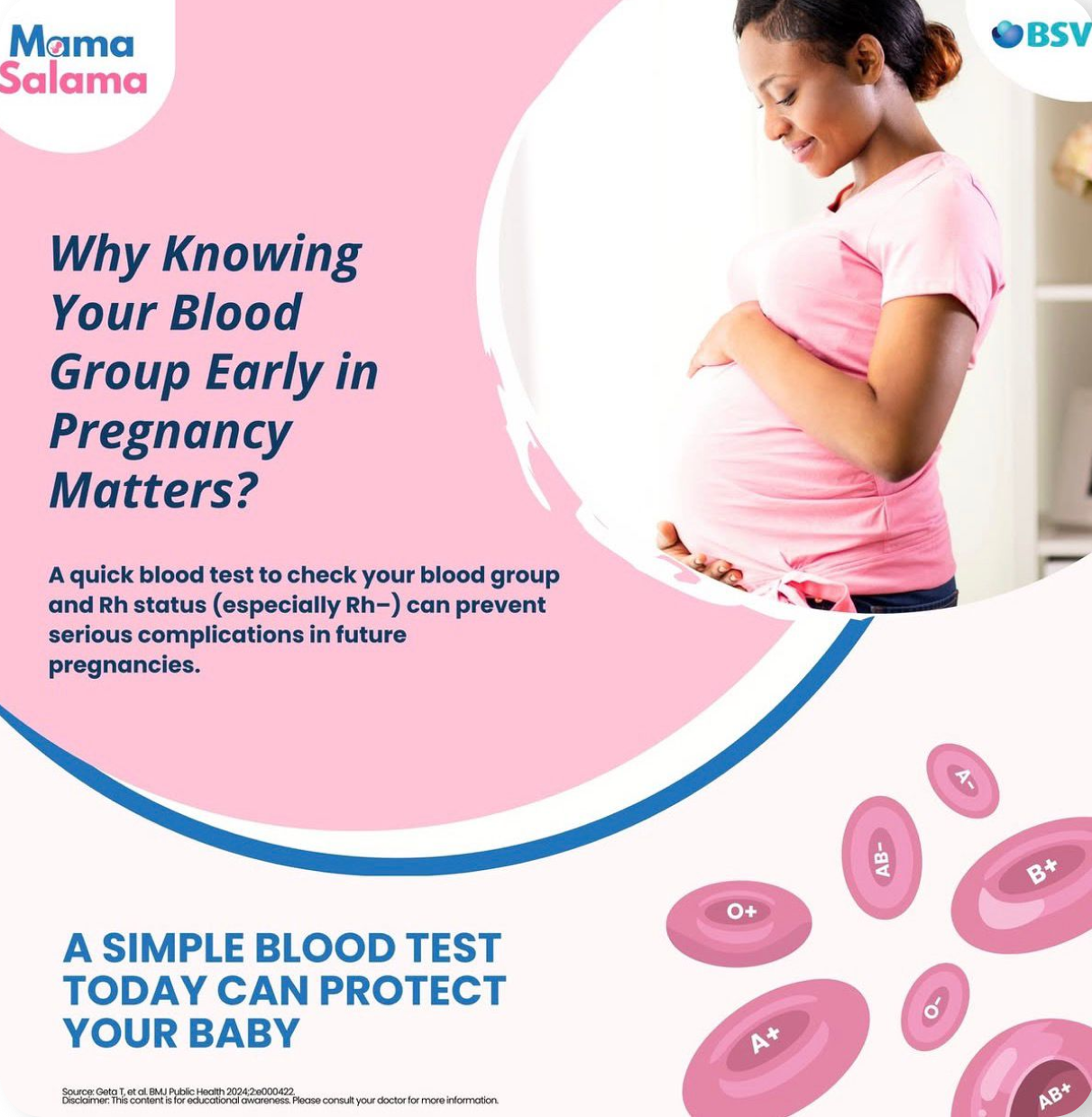
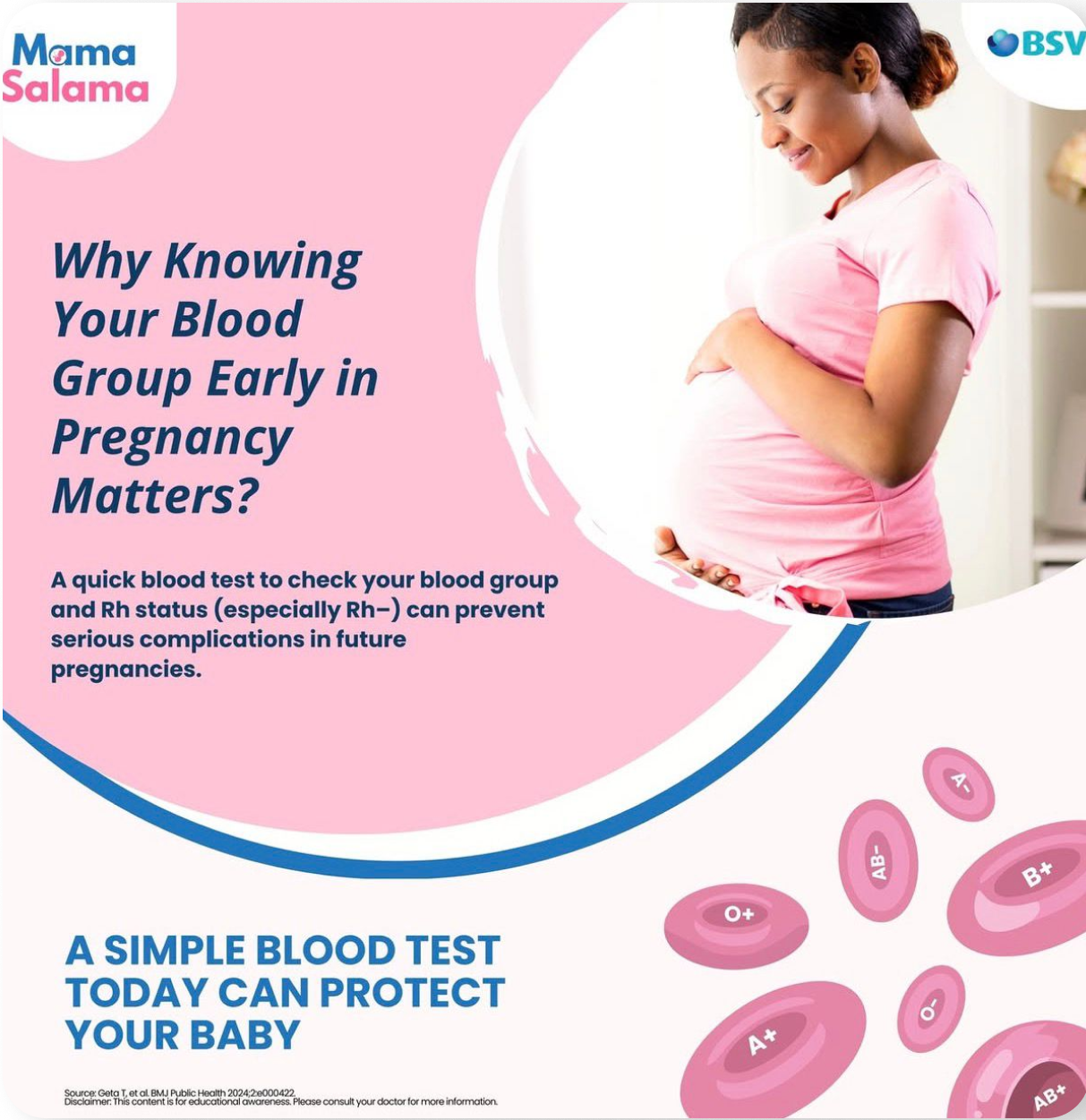
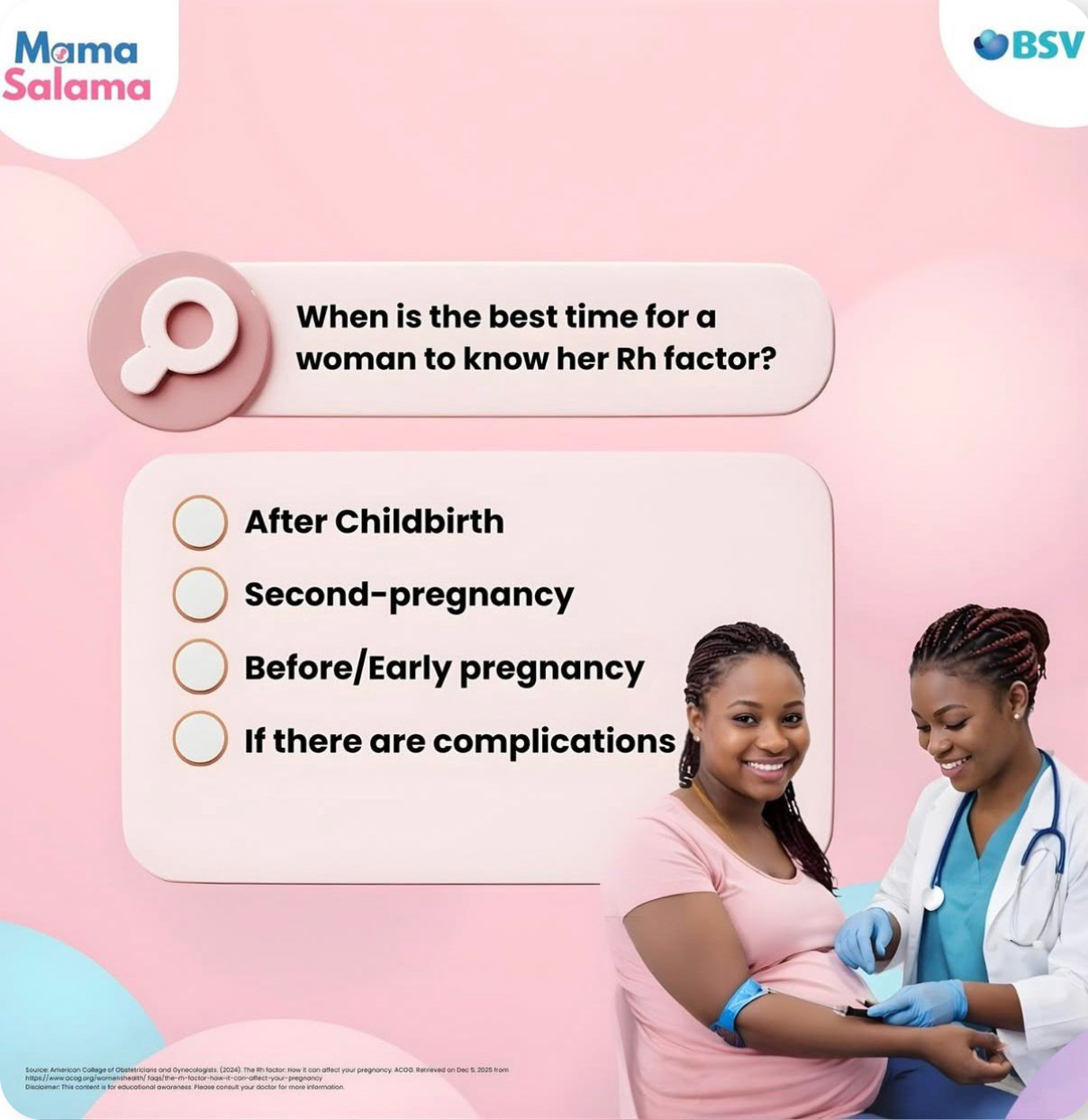
Determination of blood
group and Rh factor
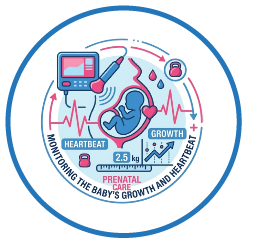
Monitoring the baby’s growth
and heartbeat
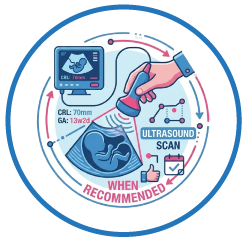
Ultrasound scans are
recommended
Preventive Care and Vaccination

Given to Rh-negative mothers to prevent Rh incompatibility that could affect the baby

Recommended to protect both mother and newborn from neonatal tetanus

Other vaccines may be advised depending on local health guidelines
The days and weeks following childbirth are known as the postnatal period—a time of healing, adjustment, and bonding between mother and baby. While it is a joyful stage of life, it is also one of the most important periods for monitoring health.
Postnatal care refers to the care and support provided to both the mother and newborn during the first weeks after delivery. It is a critical time for recovery, bonding with the baby, and ensuring both mother and newborn remain healthy.




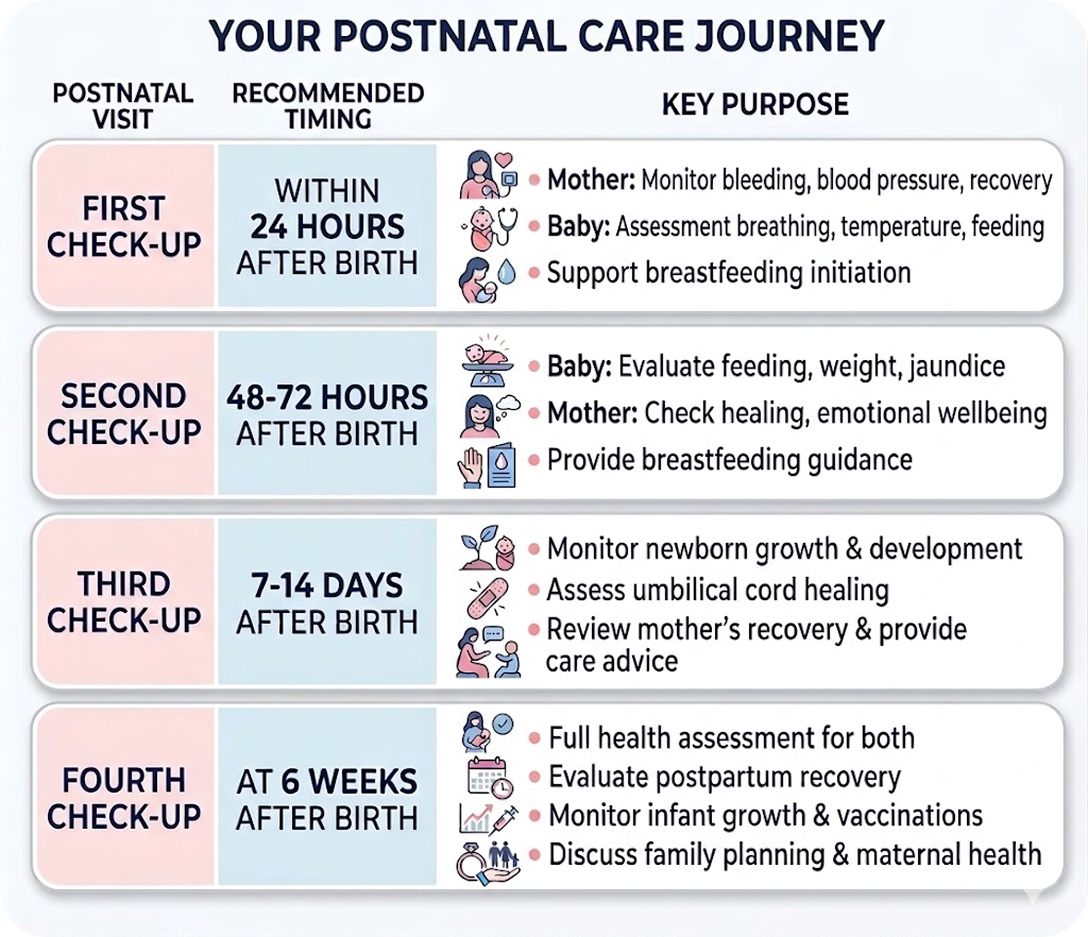
Every mother and newborn should receive at least four postnatal check-ups during the first six weeks after birth
When to Seek Medical Advice
After delivery, it is important to contact a healthcare provider if the mother experiences:
- Heavy or prolonged bleeding
- Fever or severe pain
- Difficulty breastfeeding
- Signs of infection
- Persistent sadness, anxiety, or mood changes